Greek Yogurt Protein Bagels
Highlighted under: Rapid Inspiration
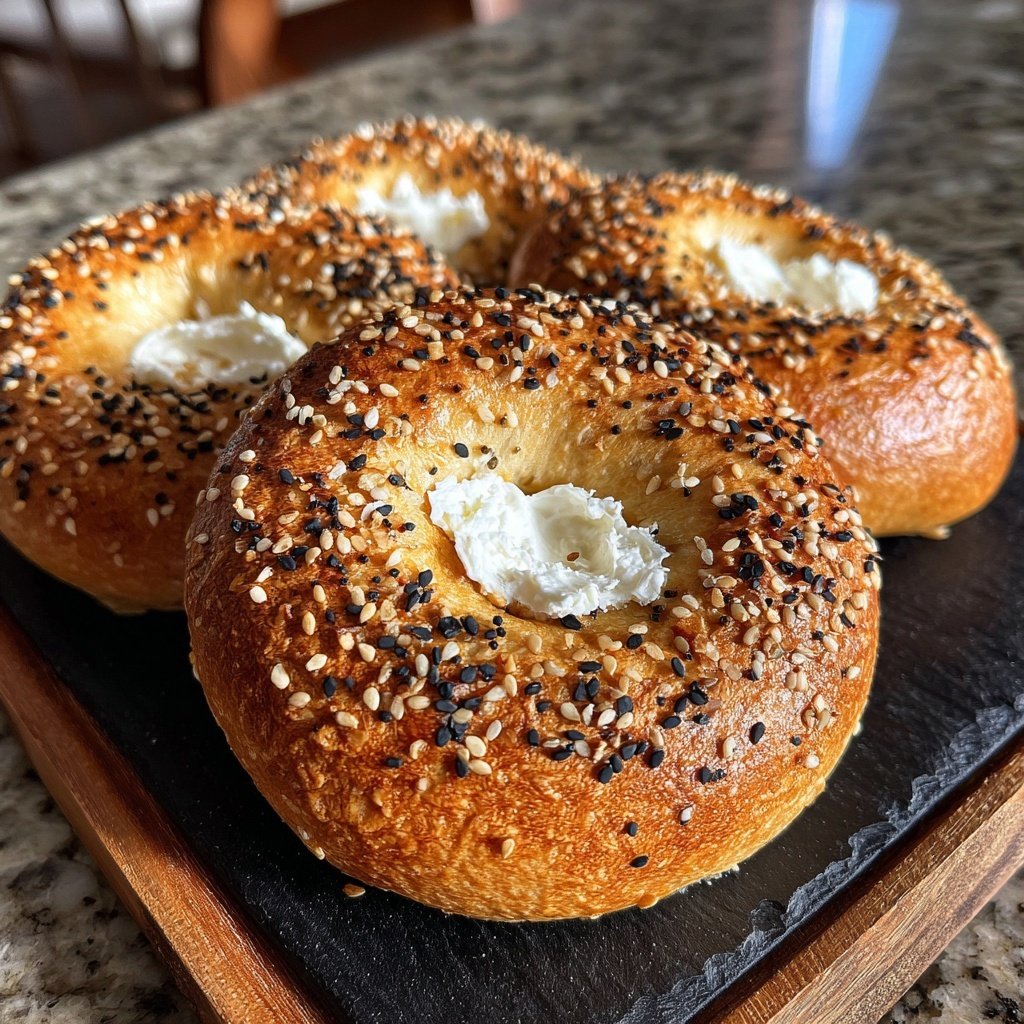
I love making Greek Yogurt Protein Bagels because they are not only easy to prepare but also packed with protein. As someone who values health and fitness, these bagels serve as a perfect breakfast or snack option. The combination of Greek yogurt and self-rising flour creates a chewy and satisfying texture. In just a short time, I can enjoy a homemade bagel that fulfills my cravings while supporting my nutritional goals. Plus, they are versatile enough to customize with various toppings!
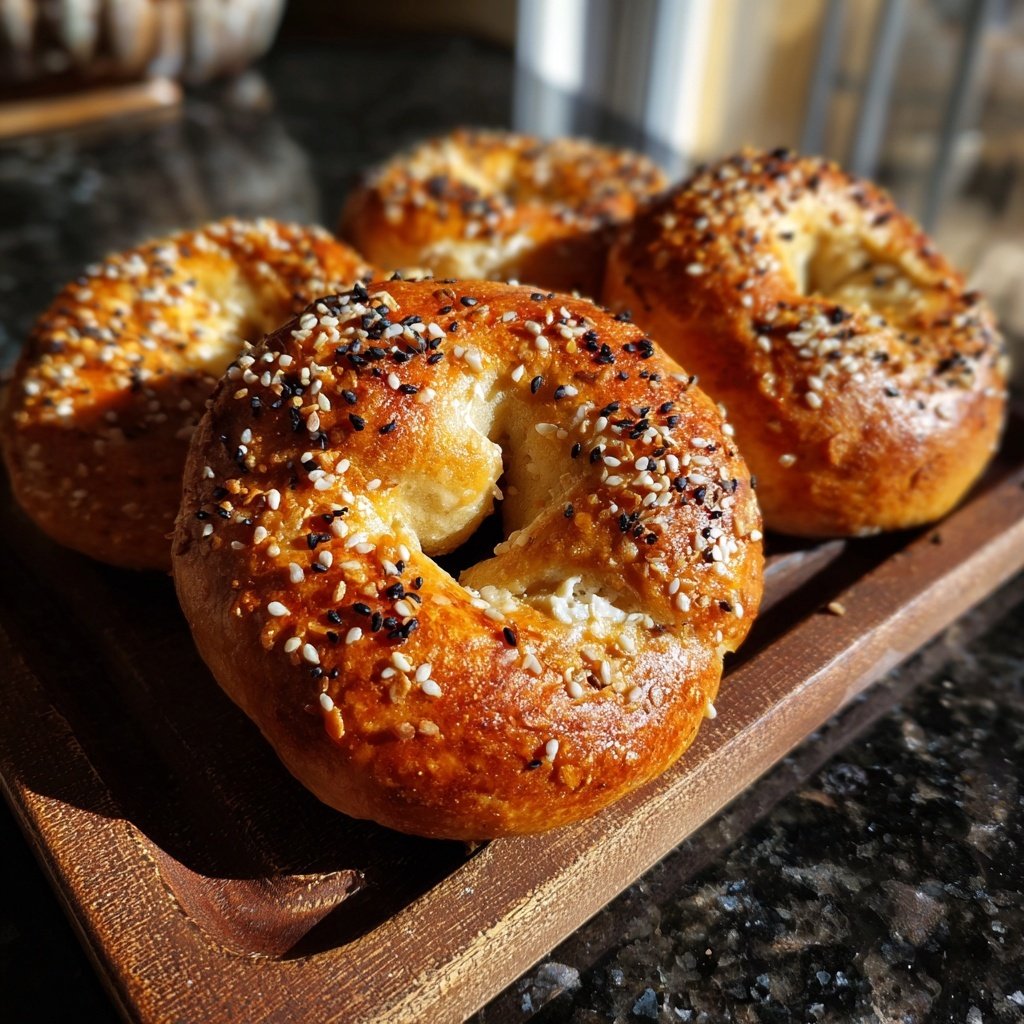
When I first tried making Greek Yogurt Protein Bagels, I was amazed at how simple yet satisfying they turned out. The key is using self-rising flour, which eliminates the need for yeast and makes the process faster without compromising on flavor. I also discovered that baking these bagels gives them a delightful crust, making them great for toasting and holding toppings.
Since then, I've played around with various flavors, adding garlic powder or herbs for a savory twist. A tip I’d recommend is to let them cool slightly before slicing; this will keep them from crumbling. Trust me, these bagels will become a go-to in your kitchen!
Why You'll Love These Bagels
- High in protein, making them perfect for a post-workout snack
- Easy to customize with your favorite seasonings or toppings
- A healthier alternative to store-bought bagels
Mastering the Bagel Dough
The dough for Greek Yogurt Protein Bagels is remarkably forgiving, leading to an effortlessly chewy outcome thanks to the self-rising flour. This flour not only contains flour and salt but also baking powder, which helps achieve a satisfyingly airy texture. When combining the Greek yogurt with the self-rising flour, take care not to over-knead; just mix until it forms a cohesive mass. A little sticky dough is perfectly normal, and you can lightly flour your hands to manage it better during handling.
If you prefer a softer bagel with more moisture, consider incorporating a tablespoon of melted coconut oil or unsalted butter into the dough. This addition creates a richer texture and enhances the flavor profile, making each bite delightfully indulgent. Remember, eggs play a crucial role in providing protein and moisture, so be sure to include the egg wash for a shiny finish that helps toppings stick.
Bagel Shaping Tips
Getting the bagel shape just right can be a bit tricky. Once you’ve divided the dough, rolling each piece into a ball helps establish a uniform structure. Poking a hole through the center and gently stretching it is essential; a too-small hole can lead to closed bagels during baking. I suggest using your fingers to rotate and stretch, creating a doughnut-like shape that retains its integrity as it rises in the oven.
If you want to achieve a rustic, artisanal appearance, try experimenting with the bagel's thickness before baking. A thicker bagel results in a chewy, soft center, whereas a thinner version ensures a crispier exterior. Additionally, if texture is important to you, adding aspects such as sesame seeds or your favorite seasoning into the dough can enhance both visual appeal and taste.
Storage and Serving Suggestions
These bagels are best enjoyed fresh out of the oven, but you can easily store leftovers. You can keep any uneaten bagels in an airtight container at room temperature for 1-2 days. For longer storage, consider freezing them. Simply wrap each bagel tightly in plastic wrap and place them in a freezer-safe bag. They can last up to three months in the freezer, making future breakfasts a breeze. To reheat, toast directly from frozen or warm them in the oven at 350°F (175°C) for about 10 minutes.
When it comes to serving, these bagels are a blank canvas! Top them with cream cheese, avocado, or nut butter for a satisfying breakfast or snack. You can also slice them to prepare a delicious breakfast sandwich filled with eggs and veggies or smoked salmon. The versatility of toppings allows you to tailor each bagel to your mood or nutritional needs, whether you’re feeling savory or sweet.
Ingredients
Ingredients
For the Bagels
- 1 cup plain Greek yogurt
- 1 cup self-rising flour
- 1 egg (beaten, for egg wash)
- Optional toppings (sesame seeds, everything bagel seasoning)
Instructions
Instructions
Prepare the Dough
In a mixing bowl, combine the Greek yogurt and self-rising flour. Stir the mixture until it forms a dough. You can use your hands to knead it gently for about 1-2 minutes until smooth.
Shape the Bagels
Divide the dough into four equal portions. Roll each portion into a ball, then poke a hole in the center to form the bagel shape. Carefully stretch the hole to ensure it doesn't close up during baking.
Bake the Bagels
Preheat your oven to 375°F (190°C). Place the bagels on a lined baking sheet. Brush the tops with the beaten egg and sprinkle with optional toppings. Bake for about 20 minutes or until golden brown.
Cool and Serve
Once baked, remove the bagels from the oven and allow them to cool for 5-10 minutes before slicing. Serve with your favorite spreads or toppings!
Pro Tips
- Experiment with different seasonings or even adding cheese to the dough for a tasty twist!
Ingredient Substitutions
If you're out of self-rising flour, you can make a quick substitute by combining all-purpose flour with baking powder and salt. For every cup of self-rising flour, use one cup of all-purpose flour, and then add 1.5 teaspoons of baking powder and a pinch of salt. This ensures that you achieve the same leavening effect while still enjoying the protein benefits of Greek yogurt.
For a dairy-free option, consider using lactose-free yogurt or a plant-based yogurt with similar consistency. Coconut yogurt can offer a delightful tropical flavor, although the bagels may be slightly sweeter. Adjusting your toppings can also create a perfect balance; for instance, using savory toppings with sweet yogurt will offset any excess sweetness.
Flavor Variations
There are endless possibilities when it comes to flavoring your bagels. Adding spices like garlic powder, onion powder, or fresh herbs directly into the dough can elevate the taste significantly. For an Italian twist, consider incorporating dried oregano and sun-dried tomatoes, while a southwestern profile can be achieved by mixing in chili powder and cheese.
If you enjoy a hint of sweetness in your bagels, add a tablespoon of honey or maple syrup into the dough, which pairs beautifully with toppings such as almond butter or cream cheese. Experimenting with various add-ins can help you discover your ideal flavor combination, making each batch unique.
Troubleshooting Common Issues
If your bagels turn out denser than expected, double-check that you're using the right proportions of Greek yogurt to self-rising flour. A common mistake is to underestimate the yogurt's moisture content; too little can lead to dry dough. Remember, bagels should have a balance – they need structure but also moisture to create that perfect chew.
Overbaking can occur quickly since bagels brown rather easily. Keep an eye on them during the last few minutes in the oven; they should turn a light golden brown color. If using toppings like seeds, you may want to cover them with aluminum foil during the last few minutes of baking to prevent burning while allowing the bagels to cook through.
Questions About Recipes
→ Can I use regular yogurt instead of Greek yogurt?
Yes, but the texture may be slightly different, and the bagels might not be as high in protein.
→ How should I store the bagels?
You can store them in an airtight container in the fridge for up to a week.
→ Can I freeze these bagels?
Absolutely! Just wrap them tightly and store in the freezer for up to three months.
→ What toppings do you recommend?
Some great options include cream cheese, avocado, smoked salmon, or even almond butter.
Greek Yogurt Protein Bagels
Created by: Tallulah Brooks
Recipe Type: Rapid Inspiration
Skill Level: Beginner
Final Quantity: 4 bagels
What You'll Need
For the Bagels
- 1 cup plain Greek yogurt
- 1 cup self-rising flour
- 1 egg (beaten, for egg wash)
- Optional toppings (sesame seeds, everything bagel seasoning)
How-To Steps
In a mixing bowl, combine the Greek yogurt and self-rising flour. Stir the mixture until it forms a dough. You can use your hands to knead it gently for about 1-2 minutes until smooth.
Divide the dough into four equal portions. Roll each portion into a ball, then poke a hole in the center to form the bagel shape. Carefully stretch the hole to ensure it doesn't close up during baking.
Preheat your oven to 375°F (190°C). Place the bagels on a lined baking sheet. Brush the tops with the beaten egg and sprinkle with optional toppings. Bake for about 20 minutes or until golden brown.
Once baked, remove the bagels from the oven and allow them to cool for 5-10 minutes before slicing. Serve with your favorite spreads or toppings!
Extra Tips
- Experiment with different seasonings or even adding cheese to the dough for a tasty twist!
Nutritional Breakdown (Per Serving)
- Calories: 210 kcal
- Total Fat: 4g
- Saturated Fat: 1g
- Cholesterol: 50mg
- Sodium: 200mg
- Total Carbohydrates: 35g
- Dietary Fiber: 2g
- Sugars: 1g
- Protein: 10g