Korean Bibimbap
Highlighted under: Authentic Inspiration
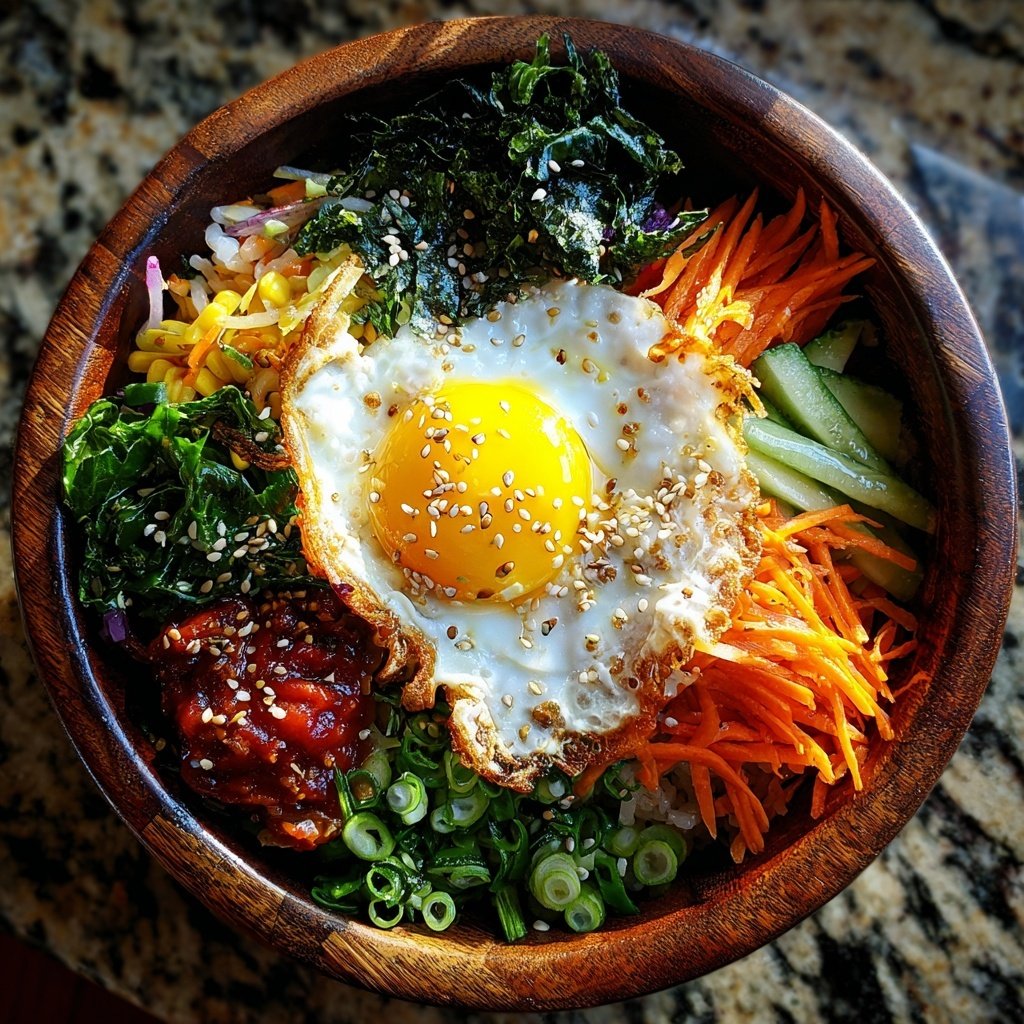
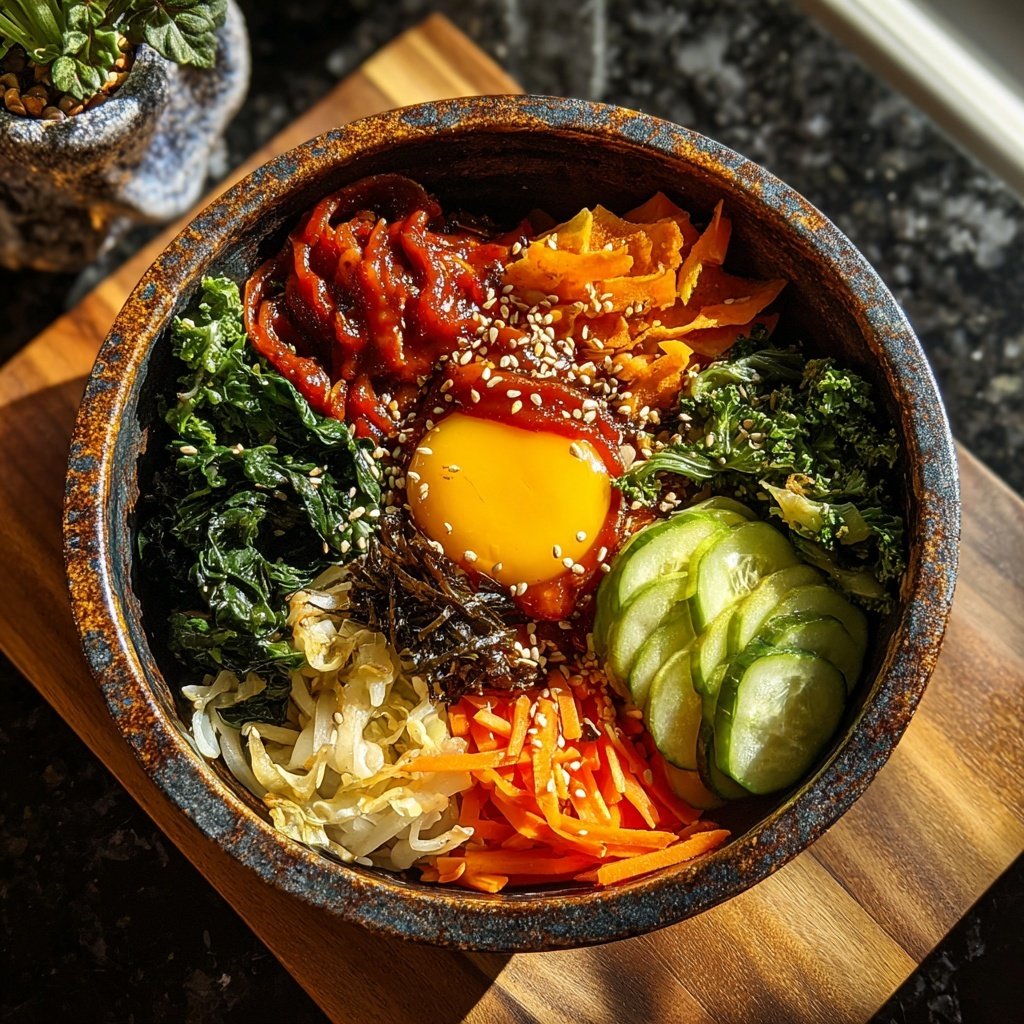
Korean Bibimbap is a vibrant and nutritious mixed rice dish topped with an assortment of sautéed vegetables, a fried egg, and gochujang (Korean chili paste).
Korean Bibimbap is a beloved dish that showcases the harmony of flavors and textures in Korean cuisine. The name 'Bibimbap' translates to 'mixed rice', and this dish is often considered comfort food. It's not only delicious but also allows for creativity as you can customize the toppings based on your preferences.
Why You'll Love This Recipe
- A delightful mix of textures from fresh vegetables and crispy rice
- Flavorful gochujang sauce that adds the perfect kick
- Healthy and customizable, making it suitable for everyone
The Heart of Bibimbap
Bibimbap is often considered the quintessential Korean dish, showcasing the balance of flavors and textures that define Korean cuisine. The word 'bibimbap' literally means 'mixed rice,' which perfectly describes this dish. Each ingredient contributes its own unique taste, creating a harmonious blend when mixed together. It's a celebration of fresh vegetables and wholesome grains, making it a go-to meal for health-conscious eaters.
Traditionally served in a hot stone bowl, Bibimbap offers a delightful crunch from the crispy rice at the bottom. The dish is not only visually appealing but also incredibly versatile, as you can adjust the ingredients based on seasonal vegetables or personal preferences. Whether you’re a vegetarian or a meat lover, Bibimbap can easily accommodate various dietary needs.
Gochujang: The Flavor Booster
At the heart of Bibimbap is gochujang, a fermented Korean chili paste that adds depth and complexity to the dish. Its unique blend of heat and umami elevates the flavors of the vegetables and rice, making each bite exciting. Gochujang is not only spicy but also slightly sweet, which balances the dish beautifully. If you're new to cooking with gochujang, you'll quickly discover that a little goes a long way in transforming your meals.
For those who may find gochujang too spicy, consider starting with a smaller amount and gradually adding more to suit your taste. You can also mix it with a bit of sesame oil or honey to create a milder sauce that still packs a punch. This flexibility allows you to customize the heat level and flavor profile to your liking.
Meal Prep and Customization
Bibimbap is an excellent choice for meal prep, as the ingredients can be prepped in advance and assembled just before eating. Cooked rice, sautéed vegetables, and even fried eggs can be stored in the refrigerator for several days. This not only saves time during busy weekdays but also makes it easy to enjoy a healthy, homemade meal without the hassle of cooking from scratch every day.
Additionally, Bibimbap is highly customizable. Feel free to substitute or add ingredients based on your preferences. You can include proteins like beef, chicken, or tofu, or experiment with different vegetables such as bell peppers or radishes. The possibilities are endless, making Bibimbap a delightful canvas for your culinary creativity.
Ingredients
For the Bibimbap
- 2 cups cooked rice
- 1 cup spinach, blanched
- 1 cup bean sprouts, blanched
- 1 carrot, julienned
- 1 zucchini, julienned
- 1 cup mushrooms, sliced
- 4 fried eggs
- 4 tablespoons gochujang
- Sesame oil
- Sesame seeds for garnish
Instructions
Prepare the Vegetables
Heat a bit of sesame oil in a pan. Sauté the mushrooms, zucchini, and carrot separately until tender. Set aside.
Assemble the Bibimbap
In a large bowl, place a serving of rice. Arrange the sautéed vegetables, blanched spinach, and bean sprouts on top of the rice.
Top with Egg and Sauce
Add a fried egg on top and drizzle with gochujang. Sprinkle sesame seeds for garnish.
Mix and Enjoy
Before eating, mix all the ingredients together to combine the flavors. Enjoy your homemade Bibimbap!
Pro Tips
- Feel free to add your favorite protein such as beef, chicken, or tofu to make it even heartier.
Serving Suggestions
Bibimbap is best served fresh and warm, allowing the flavors to meld together beautifully. To enhance the dining experience, consider serving it with a side of kimchi or pickled vegetables, which add an extra layer of flavor and crunch. Additionally, a refreshing cucumber salad can complement the dish well, balancing out the richness of the fried egg.
For a more authentic experience, serve your Bibimbap in a hot stone bowl, known as dolsot. This method creates a crispy rice crust that adds an enjoyable texture to each bite. Just be sure to adjust your cooking time, as the hot bowl will continue to cook the ingredients slightly even after serving.
Storage Tips
If you have leftovers, Bibimbap can be stored in an airtight container in the refrigerator for up to three days. To reheat, simply warm it in a skillet over low heat, adding a splash of water or sesame oil to prevent sticking. If you’re using a hot stone bowl, you can place it directly over low heat for an even reheating.
It's important to note that while the rice and vegetables can be reheated, the fried egg is best prepared fresh to maintain its texture. If you prefer, you can cook the egg separately each time you serve the dish, ensuring a perfectly runny yolk that adds creaminess when mixed into the Bibimbap.
Nutritional Benefits
Korean Bibimbap is not just a delicious meal; it also packs a nutritional punch. The abundance of vegetables provides essential vitamins, minerals, and fiber, while the rice serves as a good source of carbohydrates for energy. The inclusion of protein from the fried egg or any additional protein sources makes it a well-balanced dish that can fuel your day.
Moreover, using sesame oil and seeds adds healthy fats and antioxidants, promoting heart health. By customizing your Bibimbap with a variety of colorful vegetables, you’re not only enhancing the flavor but also maximizing the nutrient content of your meal. It's a wholesome choice that aligns with any healthy eating plan.
Questions About Recipes
→ Can I make Bibimbap vegetarian?
Absolutely! Simply omit any meat and use tofu or additional vegetables.
→ What can I substitute for gochujang?
You can use sriracha or a mix of red pepper flakes and miso paste for a similar flavor.
→ How do I store leftovers?
Store leftovers in an airtight container in the fridge for up to 3 days. Reheat before serving.
→ Can I make it ahead of time?
Yes, you can prepare the vegetables and rice ahead of time, but it's best to fry the egg just before serving.
Korean Bibimbap
Created by: Tallulah Brooks
Recipe Type: Authentic Inspiration
Skill Level: Intermediate
Final Quantity: Serves 4
What You'll Need
For the Bibimbap
- 2 cups cooked rice
- 1 cup spinach, blanched
- 1 cup bean sprouts, blanched
- 1 carrot, julienned
- 1 zucchini, julienned
- 1 cup mushrooms, sliced
- 4 fried eggs
- 4 tablespoons gochujang
- Sesame oil
- Sesame seeds for garnish
How-To Steps
Heat a bit of sesame oil in a pan. Sauté the mushrooms, zucchini, and carrot separately until tender. Set aside.
In a large bowl, place a serving of rice. Arrange the sautéed vegetables, blanched spinach, and bean sprouts on top of the rice.
Add a fried egg on top and drizzle with gochujang. Sprinkle sesame seeds for garnish.
Before eating, mix all the ingredients together to combine the flavors. Enjoy your homemade Bibimbap!
Extra Tips
- Feel free to add your favorite protein such as beef, chicken, or tofu to make it even heartier.
Nutritional Breakdown (Per Serving)
- Calories: 500 kcal
- Total Fat: 20g
- Saturated Fat: 5g
- Cholesterol: 210mg
- Sodium: 600mg
- Total Carbohydrates: 60g
- Dietary Fiber: 6g
- Sugars: 4g
- Protein: 18g